

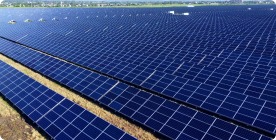
Across the global energy landscape, battery energy storage systems (BESS) have moved from a niche solution to a core component of modern infrastructure. Once seen primarily as a complement to renewable energy, storage is now essential to how industrial facilities manage power, cost, and operational risk.
Manufacturers, data centers, and large-scale industrial campuses are increasingly integrating energy storage into their operations. This shift is driven by growing concerns around grid reliability, congestion, and fluctuating electricity prices. More importantly, it reflects a broader need for resilient and flexible energy systems capable of supporting continuous, high-demand operations.
Industrial activity today depends on stable, uninterrupted power. Even short disruptions can halt production, damage equipment, and lead to costly downtime. At the same time, electricity demand is rising rapidly, fueled by artificial intelligence, data centers, electrified manufacturing, electric vehicle production, and advanced automation. These trends are placing significant strain on traditional power grids.
Energy storage addresses this challenge by allowing facilities to store electricity and deploy it when needed. This capability stabilizes power supply, reduces exposure to peak pricing, and provides a level of operational flexibility that was previously difficult to achieve.
The role of energy storage is also evolving. Historically, energy infrastructure focused on generation and transmission. Today, storage is emerging as a third pillar of the system. By capturing excess energy during periods of low demand and releasing it during peak periods, storage improves efficiency and helps balance supply and demand.
This function becomes even more critical as renewable energy expands. Solar and wind generation are inherently variable, depending on weather conditions. Energy storage smooths these fluctuations, making renewable energy more reliable and practical for industrial use. As a result, storage is now being treated as a fundamental component of industrial development.
Another key development is the rise of industrial microgrids. These systems integrate multiple energy sources—such as solar, natural gas, and battery storage—into a unified network capable of operating independently from the main grid. This architecture significantly enhances resilience. In the event of external disruptions, facilities can maintain operations, reducing risk and improving continuity.
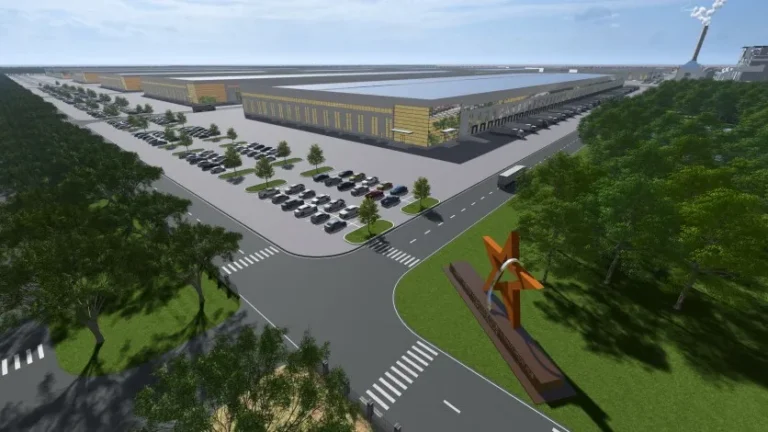
Projects such as the Liberty American Manufacturing Park (LAMP), developed by BaRupOn LLC, demonstrate how integrated energy systems and storage can support large-scale industrial operations while improving reliability.
Beyond resilience, energy storage also offers clear economic advantages. Electricity prices fluctuate throughout the day, often peaking during periods of high demand. Storage allows companies to purchase and store energy at lower costs and use it when prices rise. It also helps reduce demand charges, which can represent a substantial portion of industrial electricity expenses.
Policy and market dynamics are further accelerating adoption. In the United States, federal incentives and grid modernization efforts are making storage investments more attractive. As a result, global storage capacity is expected to expand significantly in the coming years.
As industrial systems become more complex, energy infrastructure must evolve. Energy is no longer just a utility—it is a strategic asset. Generation, storage, and distribution must work together to support reliable, efficient operations.
The message is clear: Energy storage is no longer optional. It is becoming a foundational element of modern industrial infrastructure.
Author Bio: Balaji Tammabattula is the founder of BaRupOn LLC, an industrial infrastructure company developing integrated energy and manufacturing environments in the United States.