

Modern manufacturing is entering a new era defined by rising complexity and increasing energy demand.
Advanced robotics, artificial intelligence, automated production lines, and high-performance computing are transforming factories into highly sophisticated digital environments. These innovations significantly improve efficiency and productivity, but they also place greater demands on power infrastructure. Reliable, stable electricity is no longer optional—it is fundamental to operations.
Traditional centralized power grids were not designed to support this level of industrial demand.
As a result, manufacturers are increasingly turning to industrial microgrids to strengthen energy resilience and ensure operational continuity.
Understanding Industrial Microgrids
An industrial microgrid is a localized energy system capable of generating, storing, and distributing electricity within a defined area, such as a factory campus or industrial park.
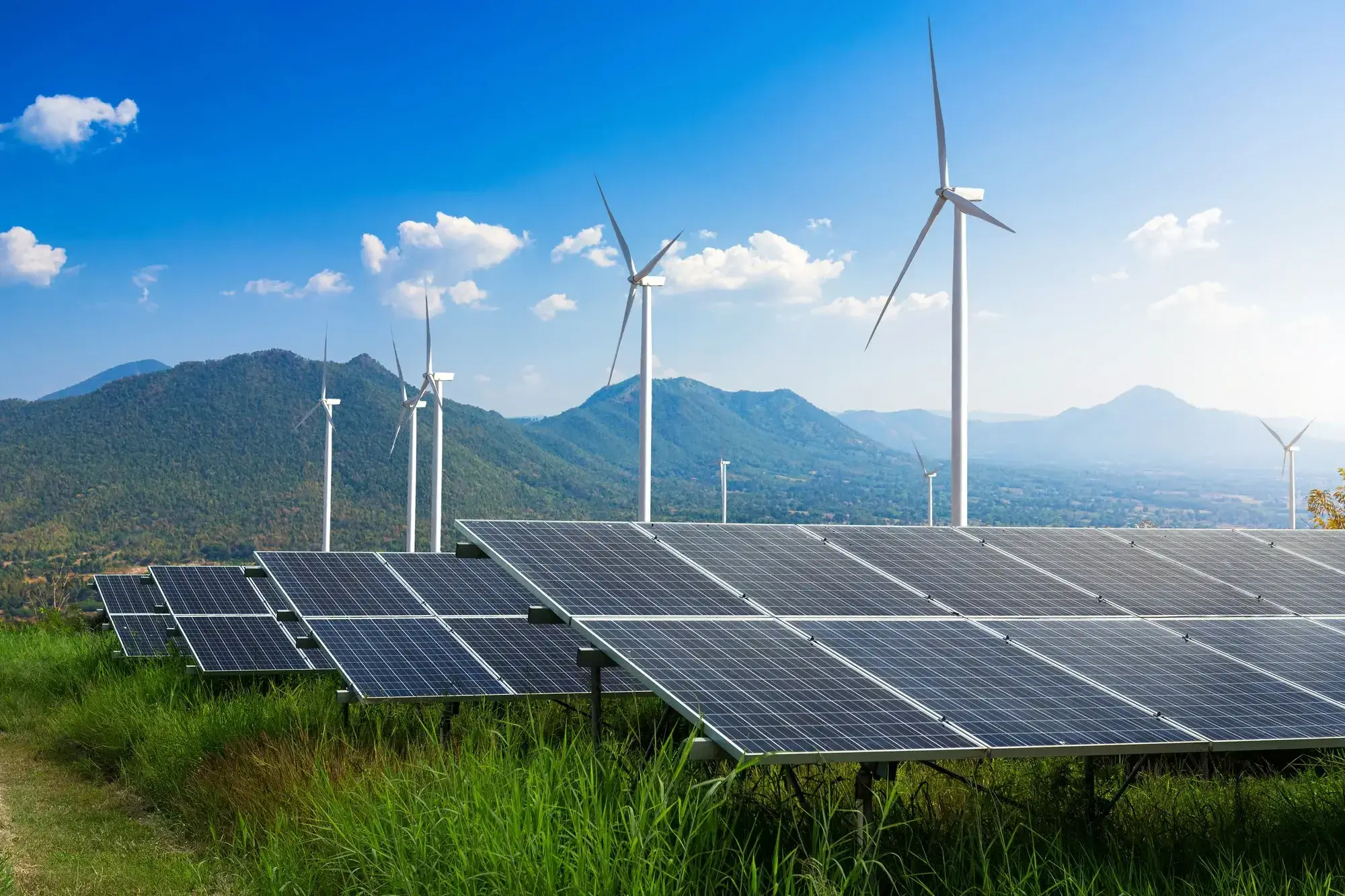
Unlike conventional power systems that rely entirely on centralized utilities, microgrids integrate multiple energy sources. These typically include solar generation, natural gas turbines, battery energy storage, and backup generators. Working together through advanced control systems, these components optimize power flow and maintain stability across the network.
If the main grid experiences an outage or disruption, the microgrid can continue operating independently. For manufacturers that depend on uninterrupted power, this capability provides a critical layer of protection.
Manufacturing’s Rising Energy Demand
Manufacturing facilities are becoming increasingly energy-intensive.
Industries such as semiconductor fabrication, electric vehicle production, aerospace manufacturing, and advanced materials processing require large, consistent power supplies. At the same time, the integration of artificial intelligence and industrial automation is driving rapid growth in on-site data processing requirements.
These trends are placing additional strain on existing electrical infrastructure. Grid congestion, aging transmission systems, and extreme weather events have all increased the risk of power disruptions.
Microgrids address these challenges by decentralizing energy supply and giving manufacturers greater control over how power is generated and managed.
The Role of Energy Storage
Battery energy storage systems play a central role in modern microgrid design.
They help balance generation and consumption by storing excess energy and releasing it when demand rises. This is particularly important when renewable energy sources are part of the system.
For example, solar generation peaks during daylight hours, while manufacturing demand may vary throughout the day. Energy storage helps bridge this gap, ensuring that electricity remains available even when generation temporarily declines.
By integrating storage, microgrids operate with greater flexibility, efficiency, and reliability.
Industrial Infrastructure for the Future

The design of industrial infrastructure is evolving.
Developers are beginning to plan industrial campuses that incorporate energy systems directly into the physical layout of facilities. Instead of relying entirely on external utilities, these environments integrate generation, storage, and energy management as part of their core infrastructure.
Developments like BaRupOn’s Liberty American Manufacturing Park illustrate how industrial sites can be designed to support advanced manufacturing through integrated energy systems.
As manufacturing technology continues to advance, the importance of resilient energy infrastructure will only grow. Microgrids are emerging as a key component of this shift.